



What is condensation and how do I stop it forming indoors?

What is condensation and how do I stop it forming indoors?
Condensation on windows is common in colder months, but persistent moisture can contribute to damp and mould. This guide explains why condensation forms and shares practical ways to reduce it, from improving ventilation and managing indoor humidity to using a dehumidifier and clearing water from windows with a window vac.
Introduction
As the temperature drops, condensation on windows can become a familiar sight in homes across the UK. While a few misty windows may seem harmless, allowing moisture to build up can contribute to damp and mould over time.
The good news is that reducing condensation doesn’t have to involve completely changing your routine. We’ll look at what causes condensation in the home and share practical ways to manage humidity, improve ventilation and keep your space feeling fresher and drier throughout the colder months.
What Causes Condensation?
Condensation happens when warm, humid air comes into contact with a colder surface, such as a window, mirror or external wall. As the humid air cools, it can no longer hold as much moisture, causing water droplets to form condensation.
Everyday activities such as cooking, showering and drying laundry indoors all release moisture into the air. When this moisture cannot escape due to limited ventilation, it begins to collect on the coldest surfaces around the home. Condensation is therefore particularly common during autumn and winter, when windows and walls are colder and we are more likely to keep doors and windows closed.
Although some condensation is normal, frequent or heavy build up can create conditions in which damp and mould thrives. Understanding where this excess moisture comes from is the first step towards keeping it under control.

Improving ventilation & controlling moisture
When it comes to condensation, small, consistent habits are usually more helpful than occasional quick fixes.
Improving ventilation is one of the most effective ways to reduce condensation in your home. Opening windows for a short time each day helps humid air escape and allows fresh air to circulate, even during autumn and winter. Using extractor fans when cooking or showering can also remove excess moisture before it settles on windows, walls and mirrors.
Keeping kitchen and bathroom doors closed when cooking or showering can prevent steam from travelling into colder rooms. You can also improve airflow by leaving a small gap between furniture and external walls, while maintaining a consistent indoor temperature helps reduce the cold surfaces where condensation is likely to form.
If ventilation alone isn’t enough, using a dehumidifier can help control humidity and reduce excess moisture in the air. Dehumidifiers are particularly useful for preventing condensation in bedrooms, bathrooms and rooms where laundry is dried indoors. For effective moisture control, keep windows and doors closed while the dehumidifier is running, position it away from walls and remember to empty it’s water tank regularly.
Removing Condensation Before It Becomes a Problem
Even with the best habits in place, some condensation can still appear during colder weather - and that does not mean you are doing anything wrong. The important thing is to remove it before water is left sitting around window frames and sills, where persistent moisture may contribute to damp, mould or damage over time. Regularly clearing condensation also makes it easier to identify rooms where excess moisture is becoming a recurring issue.
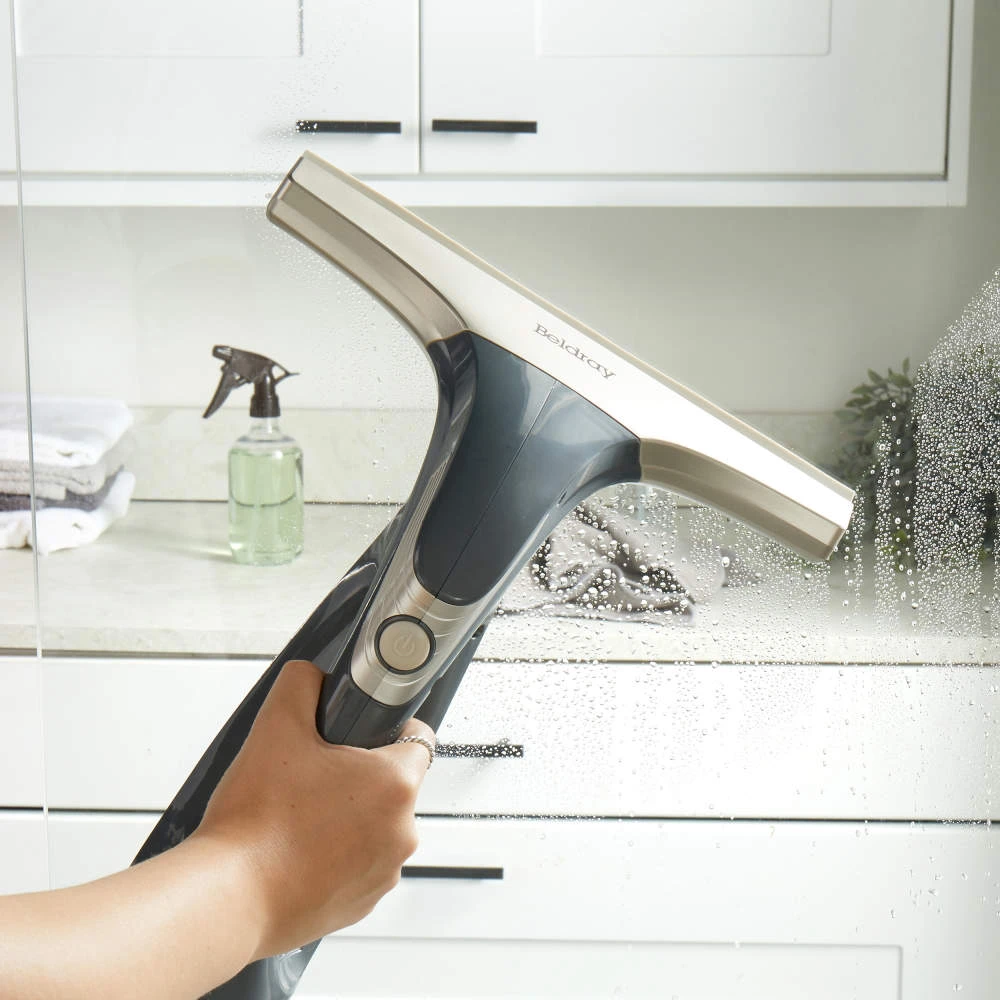
A window vac can make light work of this everyday task, collecting the water rather than absorbing it into a cloth that may release moisture back into the room. Begin at the top of the glass and move downwards in smooth strokes, paying close attention to corners, seals and the bottom of the window where water can gather. Window vacs can also remove water from other surfaces around the home, including mirrors, tiles and shower screens.
Once the glass is clear, use a dry cloth to wipe any remaining moisture from the frames and sills, then empty and clean the window vac after use. It is also worth checking less ventilated areas, like spaces behind furniture for any sign of damp or mould. Making these simple checks part of your routine during autumn and winter can help prevent condensation from building up and keep your home feeling fresher and drier.
Conclusion
Condensation may be more common during autumn and winter, but it does not have to become a persistent problem or another time-consuming job on your list. Understanding what causes condensation and taking small, consistent steps to manage moisture and humidity can help protect your home from unnecessary damage and prevent the problem becoming harder to tackle.
Simple changes such as improving ventilation and maintaining a steady indoor temperature can make a noticeable difference, while a dehumidifier or window vac can provide extra support when moisture begins to build up. By making these steps part of your everyday routine, you can spend less time dealing with damp windows and more time enjoying a fresher, drier home - making room for what matters most.