



How to care for your autumn clothes and make them last longer

How to care for your autumn clothes and make them last longer
Refresh your autumn wardrobe and keep your favourite pieces looking their best all season long. From steaming clothes after storage and removing lint and bobbles to washing, drying and choosing the right temperature, these simple garment care tips can help give your autumn and winter staples a new lease of life.
Introduction
As the days get shorter and the weather gets colder, it’s time to start bringing out your warmer jumpers, coats, hats and scarves to prepare for the upcoming winter. However, after six months in storage or shoved in the back of the wardrobe, they might be looking a little bit worse for wear. Don’t worry, we’re here to help you refresh your autumn wardrobe and keep your favourite pieces looking their best all season long.
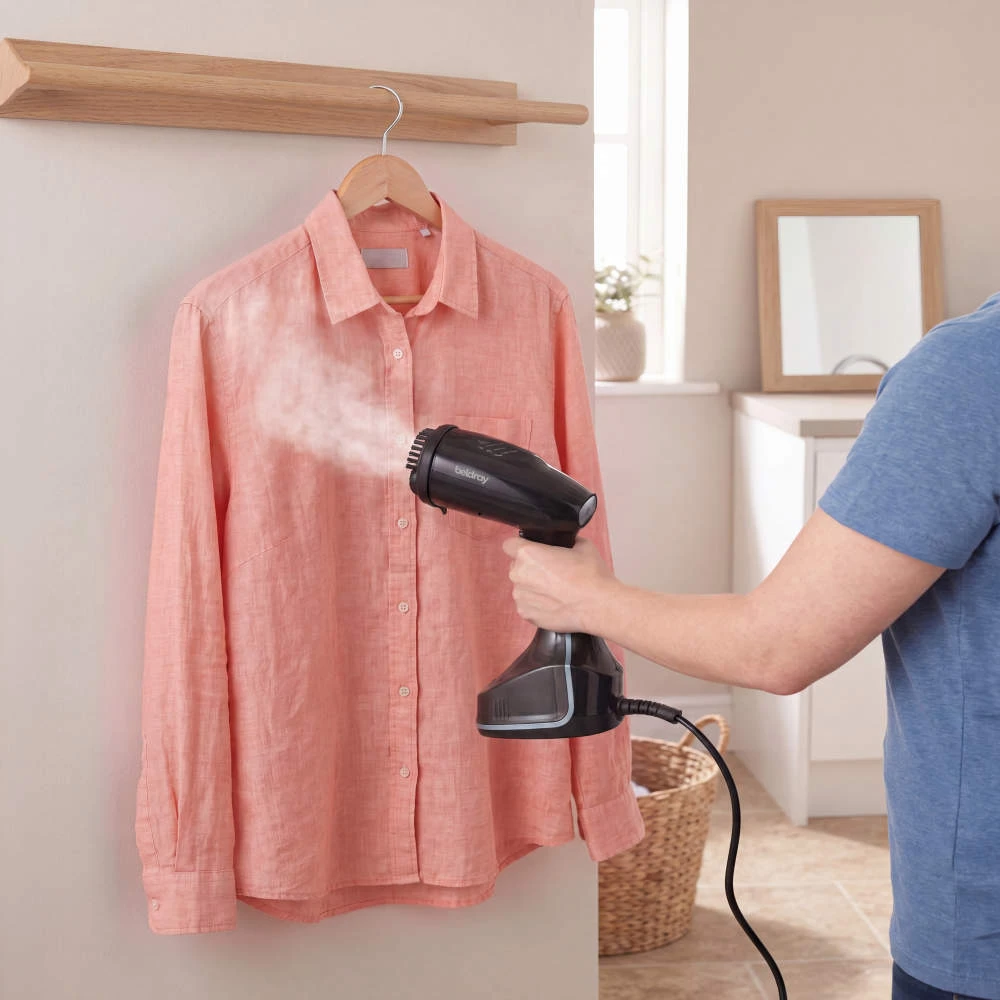
How to refresh your clothes with a garment steamer
One quick way to refresh your clothes after spending a season in storage is by steaming them. Steaming can help remove creases and refresh fabrics without putting clothes through an unnecessary wash, making it ideal for getting coats, jumpers and other autumn favourites ready to wear again.
Check out our complete garment steaming guide for more tips on how to properly steam your clothes
How often should you wash jeans and knitwear?
Knitwear, denim, and outerwear don’t need to be washed after every wear; in fact, this can end up damaging the garment. This can include fraying, colours fading or shrinking. Wash your jeans every 5-7 wears, knitwear every 5-10 wears, and any outerwear every few months, depending on wear. Of course, if you notice a spill, stain or smell, pop it in the wash, but don’t worry about washing them after every use. When it comes to washing, always check the garment’s care label for the correct temperature and settings.
How to remove lint and bobbles from clothes
We love using both manual and electric lint removers and both serve different purposes. A lint roller is great for getting your garment ready at the last-minute, as it picks up any loose hairs, threads and lint thanks to its sticky surface. An electric lint debobbler, on the other hand, is perfect for when your clothes start to pill and bobble. Electric lint removers work by essentially shaving off any excess bobbles, bumps and pills, all without damaging the garment.

How to prepare clothes for the washing machine
Before throwing everything in the wash, follow these easy steps to keep your clothes looking good for longer.
- Turn everything inside out. This helps protect prints and appliqués, while also reducing friction, which in turn reduces bobbling and pilling on fabrics.
- Separate by colour. Keep your brights brighter and your whites whiter by washing them with similar colours. Add a scoop of whitening powder to your whites to keep them fresh and add a colour catcher to your coloured wash to prevent colour bleeding.
- Utilise washbags. If you’re washing anything delicate, such as lace, silk or wool, popping it in a wash bag protects it from the friction caused by the washing machine drum. Similarly, anything with large hooks, zippers or buttons, such as bras, hoodies and jackets, can be kept separate to prevent them damaging anything in the main drum.
- Air dry when possible. Air drying your clothes rather than sticking them in the tumble dryer is better for your clothes, your electricity bill and the environment. Just make sure to lay any heavy garments flat, rather than hanging them upright, to prevent stretching.
What temperature should you wash clothes at?
Once you’ve prepared your washing for the washing machine, assess whether you need to wash at a higher temperature. 20-30ºC washes are typically better for your brighter clothes as the lower temperature helps maintain brightly coloured fabrics. This temperature is also good for lightly soiled clothes. A 40ºC wash can be suitable for many everyday fabrics, particularly for more heavily soiled clothes. This temperature can also be suitable for jeans, as higher temperatures are more likely to shrink them. A higher temperature wash (60ºC+) can help when a more hygienic wash is needed, but it may shrink or ruin your garment. Using an effective detergent is also key, as a high temperature alone may not be enough to tackle all bacteria.
Ultimately, the best way to keep your clothes looking like new for longer is by taking a little extra care of them. From refreshing and washing to drying and removing bobbles, these simple steps can help give your autumn and winter wardrobe staples a new lease of life.